
Tarbert Community Transport Project
2025-05-06 • No comments • • MAKI Green Futures Grant 2030
What Will It Do?
- Electric Vehicle Fleet: Acquire and maintain a fleet of electric vehicles, including buses and people-carriers, to serve the community.
- Charging Stations: Install electric vehicle charging stations at key locations across the community, ensuring accessibility and convenience.
- On-Demand Transport Services: Offer flexible, on-demand transport services to meet the needs of residents, including healthcare, shopping, and school runs.
- Educational Programs: Conduct educational programs to raise awareness about the benefits of electric vehicles and sustainable transportation.
- Community Engagement: Involve residents in the planning and implementation process through volunteer opportunities and community meetings.
Why Is It Needed?
- Environmental Impact: Reduce the community's carbon footprint by decreasing reliance on fossil fuel-powered vehicles.
- Economic Savings: Lower transportation costs for residents and reduce fuel expenses.
- Health Benefits: Improve air quality and reduce noise pollution, contributing to better public health.
- Accessibility: Provide reliable and accessible transportation options for all community members, including those with mobility issues.
Benefits:
- Environmental: Decrease greenhouse gas emissions and promote sustainable living practices.
- Economic: Reduce transportation costs and create local jobs in vehicle maintenance and support.
- Social: Strengthen community bonds through collaborative projects and improved mobility.
- Health: Enhance public health by reducing pollution and promoting active transportation.
Timeline:
- Phase 1 (0-6 months): Planning and securing funding, site selection for charging stations, and community outreach.
- Phase 2 (6-12 months): Acquisition of electric vehicles, installation of charging stations, and launch of educational programs.
- Phase 3 (1-2 years): Expansion of transport services, increased community participation, and evaluation of the program's impact.
Coastal Clean-Up Initiative
2025-05-06 • No comments • • OLI Green Futures Grant 2030
- What Will It Do: Organize regular beach and coastal clean-up events.
- Why: To remove litter and debris that harm marine environments.
- Benefits: Cleaner beaches, healthier marine ecosystems, and increased community awareness.
- How Long: 4 years.
Benderloch Community Solar Garden
2025-05-06 • No comments • • OLI Green Futures Grant 2030
What Will It Do?
- Solar Panels: Install solar panels in a shared location.
- Energy Distribution: Distribute generated energy to participating households.
- Community Engagement: Involve residents in the planning and implementation.
Why Is It Needed?
- Energy Equity: Provide access to renewable energy for all residents.
- Sustainability: Reduce reliance on fossil fuels.
- Cost Savings: Lower energy costs for participants.
Benefits:
- Environmental: Promote clean energy and reduce carbon emissions.
- Economic: Lower energy costs and create local jobs.
- Social: Enhance community resilience and engagement.
Timeline:
- Phase 1 (0-6 months): Planning, securing funding, and site selection.
- Phase 2 (6-12 months): Installation of solar panels and grid integration.
- Phase 3 (1-2 years): Full operation and community engagement.
Argyll and Bute Community Seed Bank: Preserving Biodiversity
2025-05-06 • No comments • • H&L Green Futures Grant 2030
What Will It Do?
- Seed Collection: Gather seeds from native plants across Argyll and Bute, focusing on rare and endangered species.
- Seed Storage: Implement proper storage techniques to maintain seed viability, including climate-controlled facilities.
- Distribution: Provide seeds to local farmers, gardeners, and conservation projects to promote the growth of native plants.
- Educational Programs: Offer workshops on seed saving, biodiversity, and sustainable gardening practices.
- Community Engagement: Encourage community participation through volunteer programs and seed exchange events.
Why Is It Needed?
- Biodiversity Preservation: Protect and enhance the genetic diversity of local plant species.
- Environmental Sustainability: Support ecosystems by promoting the growth of native plants that are adapted to local conditions.
- Food Security: Ensure a diverse range of crops for future generations, reducing reliance on commercial seed varieties.
- Cultural Heritage: Preserve traditional plant varieties that are part of the region's heritage.
Benefits:
- Environmental: Enhance local ecosystems and promote sustainable land use practices.
- Economic: Support local agriculture by providing access to diverse and resilient plant varieties.
- Social: Foster community involvement and education on the importance of biodiversity.
- Health: Improve food security and nutrition through access to diverse crops.
Timeline:
- Phase 1 (0-6 months): Planning and securing funding, identifying seed collection sites, and recruiting volunteers.
- Phase 2 (6-12 months): Establishing seed storage facilities, launching educational programs, and initiating seed collection.
- Phase 3 (1-2 years): Expanding seed collection efforts, increasing community participation, and evaluating the program's impact.
Taste of Luing
2025-05-07 • No comments • • OLI Green Futures Grant 2030
Objectives
- Promote Local Produce: Increase awareness and consumption of locally grown and produced food and drink.
- Support Local Farmers and Producers: Provide resources and opportunities for local farmers and producers to expand their operations and reach new markets.
- Create Community Engagement: Foster a sense of community through events, workshops, and markets that celebrate local food and drink.
- Encourage Sustainable Practices: Promote environmentally friendly farming and production practices.
Why This Project is Needed
- Economic Support: Supporting local farmers and producers helps to strengthen the local economy.
- Sustainability: Encouraging the use of local produce reduces carbon footprints and promotes sustainable practices.
- Health Benefits: Fresh, locally grown food is often healthier and more nutritious.
- Community Building: Food and drink are central to cultural and community activities, fostering a sense of belonging and pride.
Benefits
- Economic Growth: Increased demand for local produce will boost the local economy and create job opportunities.
- Environmental Impact: Reducing the distance food travels decreases carbon emissions and supports sustainable agriculture.
- Health Improvement: Access to fresh, nutritious food will improve the health and well-being of residents.
- Community Engagement: Events and markets will bring the community together, fostering social connections and cultural pride.
Project Timeline
The project is expected to be completed over a period of 18 months, divided into the following phases:
- Planning and Design (3 months): Detailed planning, securing permits, and finalizing designs.
- Community Outreach (3 months): Engaging local farmers, producers, and the community to participate in the project.
- Infrastructure Development (6 months): Setting up markets, workshops, and distribution channels for local produce.
- Program Implementation (6 months): Launching events, workshops, and marketing campaigns to promote local food and drink.
Etrick Bay Beach Clean
2025-05-07 • No comments • • B&C Green Futures Grant 2030
Objectives
- Organize Regular Clean-Ups: Schedule and coordinate regular beach clean-up events involving volunteers from the community.
- Raise Environmental Awareness: Educate the community about the impact of litter on marine ecosystems and the importance of keeping beaches clean.
- Engage the Community: Foster a sense of community and environmental stewardship through collaborative clean-up efforts.
- Monitor and Report: Track the amount and types of litter collected to identify sources and inform future prevention strategies.
Why This Project is Needed
- Environmental Impact: Litter on beaches poses a threat to marine life and ecosystems, and can also affect human health and safety.
- Community Engagement: Involving the community in clean-up efforts fosters a sense of ownership and responsibility for the local environment.
- Tourism and Recreation: Clean beaches enhance the appeal of the area for tourists and local residents, supporting the local economy.
- Data Collection: Monitoring litter can help identify sources and inform policies and practices to reduce pollution.
Benefits
- Environmental Protection: Removing litter from the beach helps protect marine life and ecosystems.
- Community Involvement: Engaging the community in clean-up efforts fosters a sense of pride and responsibility for the local environment.
- Educational Opportunities: Raising awareness about the impact of litter and the importance of clean beaches can lead to long-term behavioral changes.
- Enhanced Aesthetics: Clean beaches improve the visual appeal of the area, benefiting both residents and visitors.
Project Timeline
The project is expected to be implemented over a period of 12 months, with the following phases:
- Planning and Coordination (2 months): Develop a detailed plan, secure necessary permits, and coordinate with local organizations and volunteers.
- Community Outreach (1 month): Promote the project through local media, social media, and community events to recruit volunteers.
- Initial Clean-Up Event (1 month): Organize and conduct the first beach clean-up event, involving volunteers and local organizations.
- Regular Clean-Ups (8 months): Schedule and conduct monthly clean-up events, track litter collected, and report findings.
- Evaluation and Reporting (1 month): Assess the impact of the project, compile data, and report findings to the community and stakeholders.
Solar Power for All: Dunoon Solar Panel Installation
2025-05-06 • No comments • • B&C Green Futures Grant 2030
What Will It Do?
- Solar Panel Installation: Install solar panels on public buildings, schools, and community centers to generate renewable energy.
- Energy Education: Offer workshops and training sessions on solar energy, energy efficiency, and sustainable living.
- Community Engagement: Involve residents in the planning and installation process through volunteer opportunities and community meetings.
- Monitoring and Maintenance: Establish a system for monitoring energy production and maintaining the solar panels to ensure optimal performance.
Why Is It Needed?
- Environmental Impact: Reduce the community's carbon footprint by decreasing reliance on fossil fuels.
- Economic Savings: Lower electricity costs for public buildings and potentially for residents through community solar programs.
- Energy Independence: Increase energy security by generating local, renewable energy.
- Educational Value: Raise awareness and knowledge about renewable energy and sustainability.
Benefits:
- Environmental: Decrease greenhouse gas emissions and promote sustainable energy practices.
- Economic: Reduce energy costs and create local jobs in the renewable energy sector.
- Social: Strengthen community bonds through collaborative projects and educational initiatives.
- Health: Improve air quality by reducing pollution from fossil fuel-based energy sources.
Timeline:
- Phase 1 (0-6 months): Planning and securing funding, site selection, and community outreach.
- Phase 2 (6-12 months): Installation of solar panels on selected sites and launch of educational programs.
- Phase 3 (1-2 years): Expansion of solar installations, increased community participation, and evaluation of the program's impact.
Rothesay – Walking, Wheeling, and Cycling Improvements
2025-05-07 • No comments • • B&C Green Futures Grant 2030
Objectives
- Develop Safe Pathways: Construct dedicated walking, wheeling, and cycling paths to ensure safe and accessible routes for all users.
- Improve Connectivity: Enhance links between key locations including the High Street, Joint Campus, hospital, leisure centre, and park.
- Upgrade Infrastructure: Install necessary amenities such as bike racks, benches, and lighting to support active transportation.
- Promote Sustainability: Encourage environmentally friendly transportation options to reduce carbon emissions and traffic congestion.
Why This Project is Needed
- Safety Concerns: Current pathways are inadequate and pose safety risks to pedestrians and cyclists.
- Health Benefits: Promoting active transportation will improve physical health and well-being of residents.
- Environmental Impact: Reducing reliance on motor vehicles will decrease carbon emissions and contribute to environmental sustainability.
- Community Engagement: Improved infrastructure will foster a sense of community and encourage outdoor activities.
Benefits
- Safety: Dedicated pathways will reduce the risk of accidents and injuries for pedestrians and cyclists.
- Health: Encouraging walking, wheeling, and cycling will promote physical activity and improve overall health.
- Environmental: Sustainable transportation options will reduce carbon emissions and traffic congestion.
- Community: Enhanced infrastructure will create a more connected and engaged community.
Project Timeline
The project is expected to be completed over a period of 24 months, divided into the following phases:
- Planning and Design (4 months): Detailed planning, securing permits, and finalizing designs.
- Procurement (3 months): Sourcing materials and hiring contractors.
- Construction (14 months): Building pathways and installing amenities.
- Testing and Commissioning (3 months): Ensuring all systems are operational and safe for use.
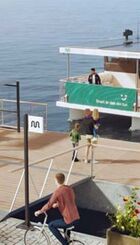
Jura/Islay Autonomous Electric Ferry
2025-05-08 • No comments • • MAKI Green Futures Grant 2030
1. What do you want to do?
We plan to establish a new ferry service between Jura and Islay, enhancing connectivity and supporting local communities. The service will include modern, eco-friendly vessels and improved docking facilities to ensure reliable and efficient transportation.
2. Why is your project needed?
Currently, transportation between Jura and Islay is limited, hindering economic growth and accessibility for residents and visitors. A dedicated ferry service will address these issues by providing a reliable and efficient means of travel, supporting local businesses and tourism.
3. What positive changes will your project bring about?
- Economic Growth: The ferry service will boost local businesses by facilitating easier transportation of goods and services.
- Enhanced Connectivity: Improved transportation links will make travel between Jura and Islay more convenient for residents and tourists.
- Tourism Development: Reliable ferry service will attract more visitors, stimulating the local tourism industry.
- Environmental Sustainability: Eco-friendly vessels will reduce the environmental impact of transportation, promoting sustainable practices.
4. How long will your project run for?
The project is expected to run for approximately 12 months, from initial planning and design to implementation and final completion. This timeline includes securing permits, engaging stakeholders, and ensuring the highest standards of quality and sustainability are met.
Arrochar Space Toilets
2025-05-06 • No comments • • H&L Green Futures Grant 2030
What Will It Do?
- Innovative Design: Create toilet designs that incorporate cutting-edge technologies to maximize water and space efficiency.
- Water Conservation: Implement water-saving mechanisms such as efficient flushing systems, dual-flush options, and graywater reuse.
- Space Optimization: Develop compact layouts and foldable designs to minimize floor space usage.
- User Comfort and Safety: Integrate features like bidet functions, touchless operation, and easy-to-clean surfaces to enhance user experience and hygiene.
- Feasibility Analysis: Conduct comprehensive feasibility studies to assess the practicality and viability of the proposed designs.
Why Is It Needed?
- Water Scarcity: Address global concerns about water scarcity by developing toilets that significantly reduce water usage.
- Space Efficiency: Optimize space utilization in both residential and commercial settings, as well as in space habitats.
- Hygiene and Safety: Improve user comfort and safety by incorporating advanced features that reduce contamination risks.
- Sustainability: Promote sustainable infrastructure by integrating eco-friendly technologies and practices.
Benefits:
- Environmental: Conserve water resources and reduce environmental impact through efficient toilet designs.
- Economic: Lower water and maintenance costs, and support the development of sustainable technologies.
- Social: Enhance user comfort and safety, and provide solutions for densely populated areas and space missions.
- Technological: Advance research and development in innovative toilet designs and sustainable practices.
Timeline:
- Phase 1 (0-6 months): Research and benchmarking, conceptual design development, and feasibility analysis.
- Phase 2 (6-12 months): Prototyping, testing, and refinement of toilet designs.
- Phase 3 (1-2 years): Production, installation, and evaluation of the project's impact.
Estimated Costs:
-
Initial Setup Costs:
- Research and Development: £100,000 - £300,000
- Prototyping and Testing: £50,000 - £150,000
- Production and Installation: £200,000 - £500,000
- Permits and Insurance: £10,000 - £30,000